Menu

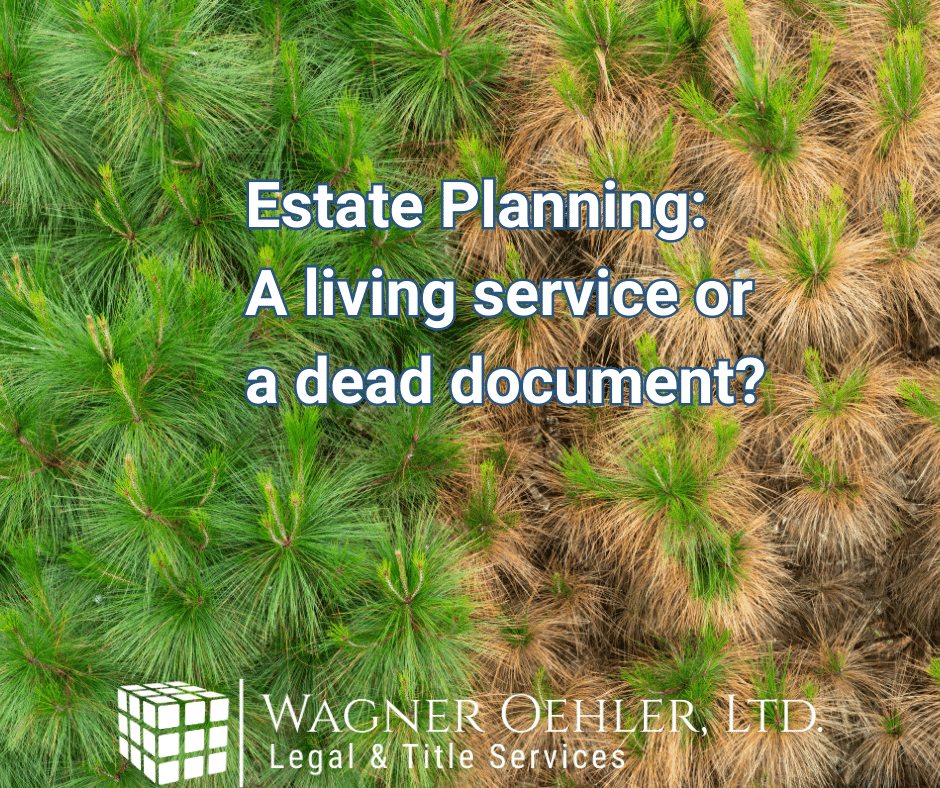 Estate Planning: A Living Service, Not a Dead Document
When most people hear the term estate planning, they picture a thick binder of documents sitting on a shelf or tucked into a safe deposit box, only to be dusted off after someone dies. That perception misses the point entirely.
Estate planning should not be viewed as a one-time event that ends with a signature. It is best understood as an ongoing service—a living process that grows and adapts with you, your family, and your circumstances. A static document can quickly become outdated or even harmful, but a living plan remains relevant and effective throughout your lifetime and beyond.
A “dead” estate plan is one that was signed years ago and never updated. On the surface, it may look fine—your name, your assets, your heirs. But dig deeper, and problems appear:
Without adjustments, an outdated plan can leave your loved ones exposed to unnecessary taxes, probate delays, family disputes, or even loss of the family farm or business.
A living estate plan is a service, not just a set of papers. It:
Instead of thinking “I made a will, I’m done,” think “I’ve built a system that will serve me and my family for the rest of my life.”
Farm Families
For farmers, a plan isn’t just about who gets what—it’s about ensuring land, machinery, and operations transition smoothly while avoiding unnecessary probate, taxes, or conflicts between farming and non-farming heirs. A living estate plan ensures the family farm remains viable for the next generation.
High-Net-Worth Individuals
When significant assets are at stake, tax exposure and liability management become critical. A living plan makes it possible to implement strategies as tax laws change, rather than scrambling later.
Business Owners
Business owners face unique challenges - liability concerns, income fluctuations, complex retirement accounts, and demanding schedules. A living plan ensures these realities are accounted for without interruption to their professional responsibilities.
Think of estate planning the way you think about your other essential services:
Your estate plan deserves the same ongoing attention.
If your estate plan is more than a few years old—or if you’ve experienced major life, family, or financial changes since you last reviewed it—it’s time to revisit it. Treat your plan as a living service that reflects the life you’re building today and the legacy you want to leave tomorrow.
An estate plan that is alive, active, and continually supported will do far more than distribute assets after death. It will give you peace of mind, protect your family’s future, and ensure that your legacy—whether it’s farmland, a medical practice, or carefully built wealth—remains intact and meaningful for generations.
Takeaway: Estate planning is not a one-time transaction. It is a living service, built to adapt as your life, your family, and the law change.
To learn more about estate planning, keep an eye on our Events page located at: https://www.wagnerlegalmn.com/events/.
If you’re ready to start being proactive about your estate plan, contact us to get started.
Want to stay informed? Subscribe to our quarterly newsletter for updates.
© 2026 Wagner Oehler, Ltd
Legal Disclaimer | Privacy Policy
Law Firm Website Design by The Modern Firm
 Share
Share