Menu

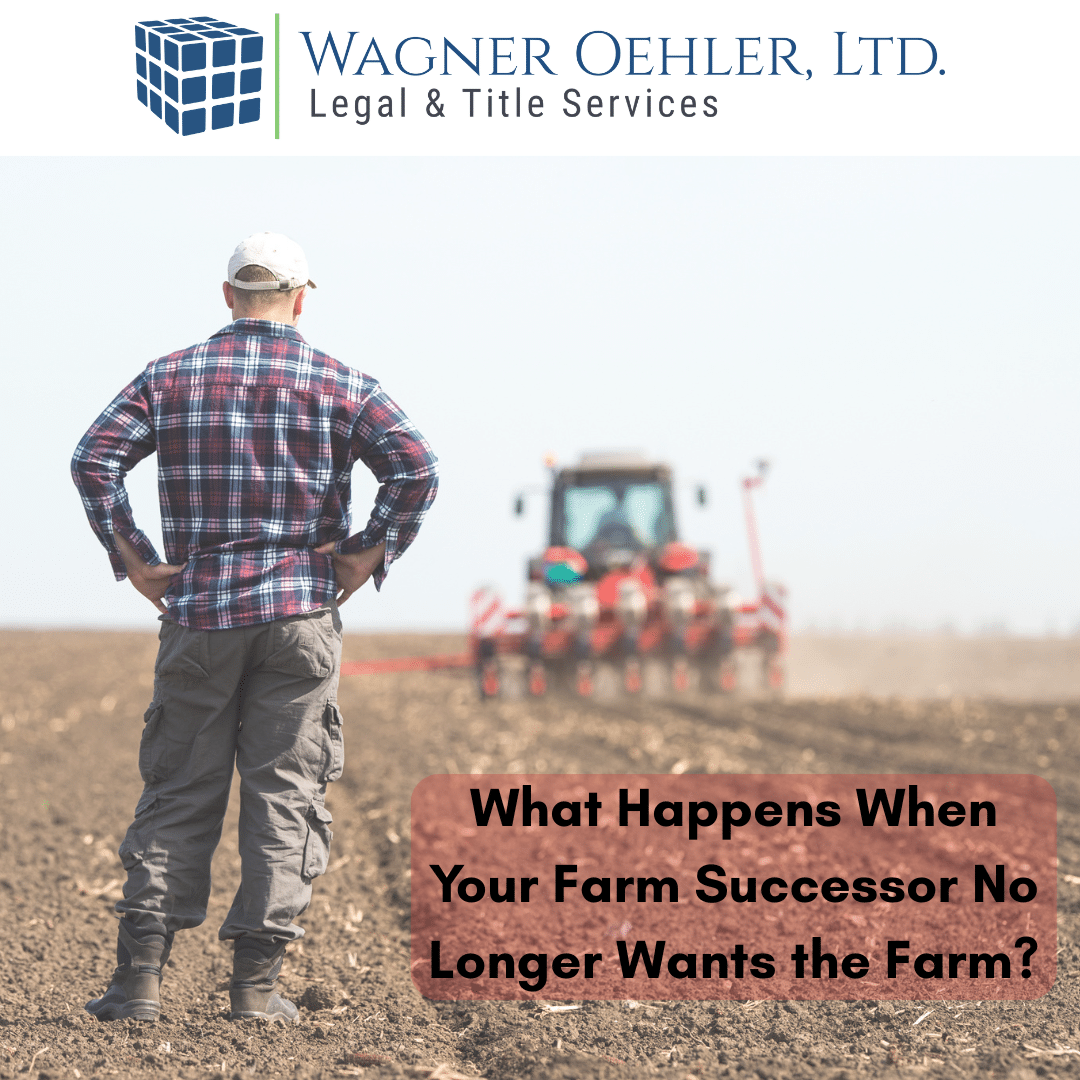 What Happens When Your Farm Successor No Longer Wants the Farm?
Many farm succession plans are built around a specific assumption. One child or family member will eventually take over the operation and continue the family farming legacy.
But what happens when that person changes their mind?
While many farm transitions are successful, there are situations where a farming heir decides the operation is no longer the right fit. Sometimes family dynamics become difficult. Sometimes financial pressures become overwhelming. In other cases, personal goals, lifestyle preferences, or career opportunities lead a successor in a different direction.
When that happens, farm families need to be prepared to adjust their plans, and contacting a farm lawyer is a great place to start.
Every situation is different, but there are several common reasons why a successor may step away from farming.
Generational disagreements can create tension over management decisions, technology adoption, expansion plans, or the future direction of the operation. In some cases, the stress of farming and uncertain profitability can take a toll on mental health and family relationships.
Economic realities can also play a role. High input costs, volatile commodity prices, and tighter margins make farming increasingly challenging. What looked like a promising opportunity a decade ago may feel much different today.
In other situations, a spouse or family member may decide that the demands of farm life are simply not the right fit for their family.
Regardless of the reason, a farm succession plan must be flexible enough to respond when circumstances change.
One of the biggest mistakes farm families can make is transferring significant ownership before everyone is confident that the successor is committed to farming long term.
A gradual approach often works best.
Rather than immediately transferring substantial ownership interests, many families benefit from allowing the next generation to work in the operation as an employee for several years. This provides an opportunity to determine whether the arrangement is a good fit for everyone involved.
The goal is to confirm commitment before major assets change hands.
When a family is ready to begin transferring ownership, a carefully structured business entity can provide flexibility and protection.
For example, operating assets such as equipment, livestock, and inputs may be placed into a farm LLC while land ownership remains separate. The next generation can then receive a small ownership interest over time.
However, ownership transfers should never occur without a well drafted operating agreement and buy sell agreement. Contacting a business attorney is always a great place to start!
A strong buy sell agreement can establish what happens if a successor decides to leave the operation. These agreements often include formulas that allow the farm to repurchase ownership interests at a discounted value during the early years of the transition.
This helps protect the farm from having to generate large amounts of cash to buy back ownership interests unexpectedly.
Without these protections, the operation may face unnecessary financial stress at exactly the wrong time.
If a farm successor leaves, it is critical to review and update your estate planning documents.
Many farm estate plans are designed specifically around the assumption that a particular individual will eventually take over the operation. If that person is no longer involved, the documents may no longer reflect your goals.
Allowing outdated documents to remain in place can create confusion, conflict, and unintended consequences in the future.
Estate plans should always reflect current realities, not assumptions that no longer exist. Consulting with an estate planning attorney is important to avoid some of these common mistakes.
A departing successor does not necessarily mean the end of the family farm.
In some families, another child or relative may be interested in stepping into the operation. Sometimes a person who previously did not see a place for themselves on the farm becomes interested when circumstances change.
Other families may explore transitions to a neighboring farmer or another young producer looking for an opportunity to expand.
The right solution depends on the family's goals, financial situation, and long term vision for the operation.
Farm succession planning is not a one time event. It is an ongoing process that must adapt as families, businesses, and circumstances change.
A successful plan anticipates the possibility that things may not unfold exactly as expected. By using gradual ownership transfers, strong buy sell agreements, and regularly updated estate planning documents, farm families can create a plan that remains effective even when unexpected changes occur.
The goal is not simply to create a succession plan. The goal is to create a succession plan that can withstand the realities of farming and protect the future of the operation for generations to come.
If you’re ready to start being proactive about your estate plan and want guidance tailored to your family, assets, and goals, contact the farm lawyers at Wagner Oehler, Ltd. to get started.
Want to stay informed? Subscribe to our quarterly newsletter for updates.
To learn more about estate planning, keep an eye on our Events page located at: https://www.wagnerlegalmn.com/events/
© 2026 Wagner Oehler, Ltd
Legal Disclaimer | Privacy Policy
Law Firm Website Design by The Modern Firm
 Share
Share