Menu

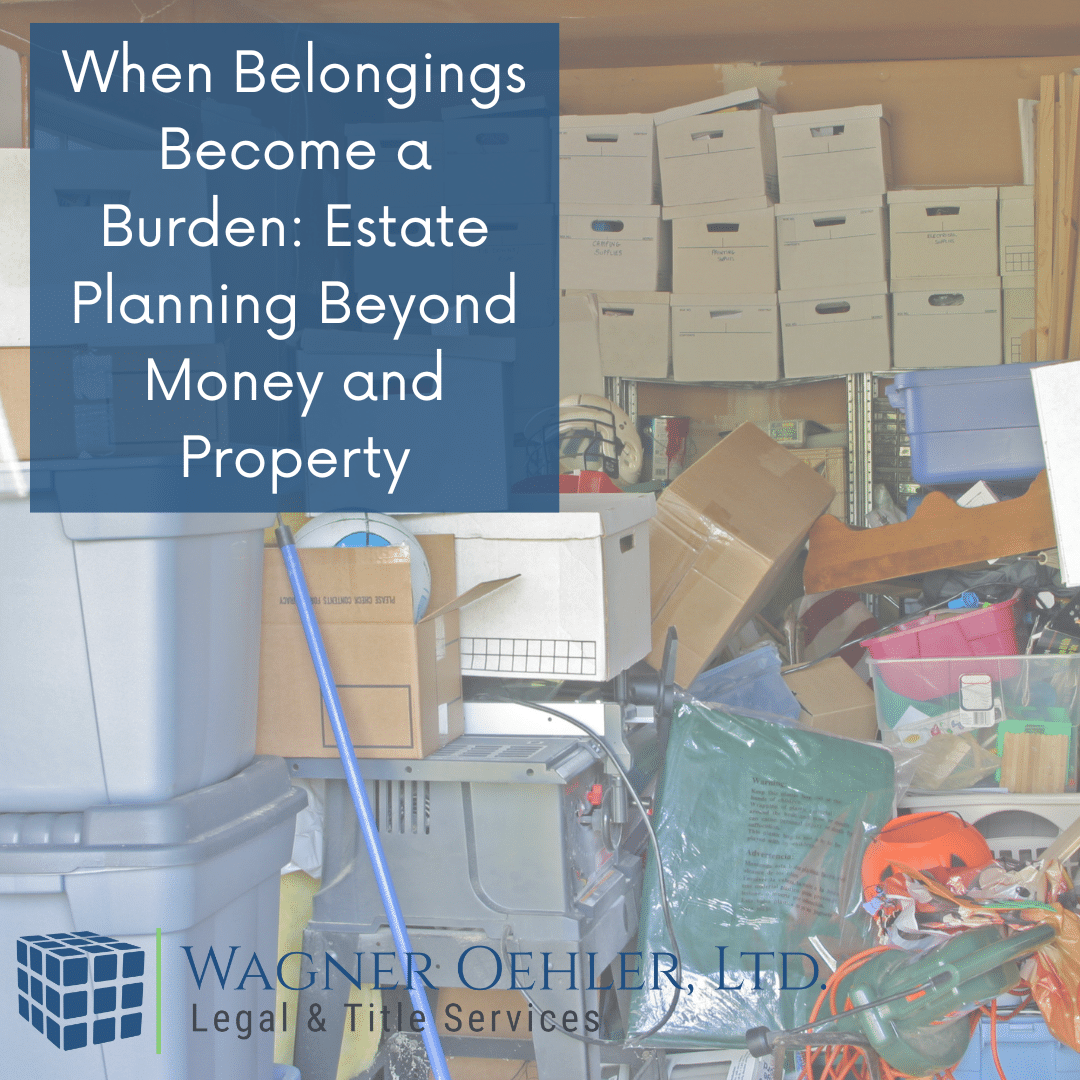 When Belongings Become a Burden: Estate Planning Beyond Money and Property
Most estate planning conversations focus on financial accounts, real estate, retirement savings, and legal documents. While those assets are certainly important, there is another part of every estate that often gets overlooked: personal belongings.
Furniture, collections, family heirlooms, boxes in the basement, items stored in the garage, and decades of accumulated possessions all become part of the legacy you leave behind. The question is not whether someone will eventually deal with those belongings. The question is who will be responsible for sorting through them and how difficult that task will be.
As comedian George Carlin famously joked, a house is often just a place to keep your stuff while you go out and get more. While humorous, the observation highlights a reality many families face. Over a lifetime, most of us accumulate far more than we realize.
There is nothing wrong with owning things. Many possessions represent years of hard work, cherished memories, family traditions, and personal achievements. Certain items may even have significant financial or sentimental value.
The challenge arises when a lifetime of belongings becomes someone else's responsibility.
When an individual passes away, family members and fiduciaries are often left to sort through every room, drawer, closet, storage area, and filing cabinet. Important documents must be located, valuable property identified, personal items distributed, and unwanted belongings removed. What may seem manageable today can quickly become overwhelming for loved ones later.
In many cases, the sheer volume of possessions creates delays, increases costs, and adds stress during an already emotional time.
Many people become accustomed to their surroundings and gradually lose awareness of how much they have accumulated over the years. What feels normal to you may appear very different to the family members who eventually have to manage your estate.
Excess belongings can create several practical challenges during estate administration.
Important documents may be difficult to locate. Wills, trusts, insurance policies, account statements, passwords, and other critical records can become buried among household items.
Valuable assets may be overlooked. Collections, antiques, jewelry, firearms, artwork, and other items may be unintentionally discarded or undervalued if nobody realizes their significance.
The administration process may take longer. Sorting, cataloging, appraising, and distributing personal property can add weeks or months to settling an estate.
Costs can increase significantly. Professional cleanout services, estate sales, appraisals, storage fees, and removal expenses can quickly add up.
If a home must be sold, excess belongings may delay listing the property and increase carrying costs such as insurance and utilities.
You do not need to become a minimalist or get rid of everything you own. Estate planning is not about eliminating possessions. It is about ensuring that what you leave behind can be managed effectively.
Ask yourself a few simple questions:
Can you comfortably move through every room in your home?
Would someone else be able to locate important documents if necessary?
If your home needed to be emptied for a move or sale, would it take a few days, a few weeks, or several months?
Your answers can provide valuable insight into whether your belongings may create challenges for loved ones in the future.
Addressing the issue does not require a major cleanout project. Small steps taken over time can make a significant difference.
Start by creating a basic inventory of important belongings. A simple list with photos can help family members understand what exists and where it is located.
Organize and label storage areas whenever possible. Clearly marked boxes and folders can save countless hours of searching later.
Consider discussing family heirlooms and sentimental items with loved ones while you are still able to explain their history and significance. In some families, allowing children or grandchildren to select meaningful items ahead of time can reduce future uncertainty and conflict.
If you believe certain items may have significant value, consider obtaining a professional appraisal. This can help ensure that important assets are properly identified and distributed.
Most importantly, make sure you have chosen the right people to serve as your trustee, personal representative, or executor. These individuals will ultimately be responsible for managing your affairs, and their job becomes much easier when your belongings and records are organized.
Many families spend years creating wealth, purchasing property, and collecting meaningful possessions. Yet very few spend time considering how those belongings will be managed after they are gone.
The reality is that every item in your home will eventually belong to someone else. Taking steps today to organize your belongings, communicate your wishes, and create a comprehensive estate plan can spare your loved ones unnecessary stress and expense later.
Estate planning is not just about deciding who receives your assets. It is about making life easier for the people you care about most.
If you’re ready to start being proactive about your estate plan and want guidance tailored to your family, assets, and goals, contact the estate planning attorneys at Wagner Oehler, Ltd. to get started.
Want to stay informed? Subscribe to our quarterly newsletter for updates.
To learn more about estate planning, keep an eye on our Events page located at: https://www.wagnerlegalmn.com/events/
© 2026 Wagner Oehler, Ltd
Legal Disclaimer | Privacy Policy
Law Firm Website Design by The Modern Firm
 Share
Share